

 |
CCCH9064 China: Culture, State and Society
|

Course Description
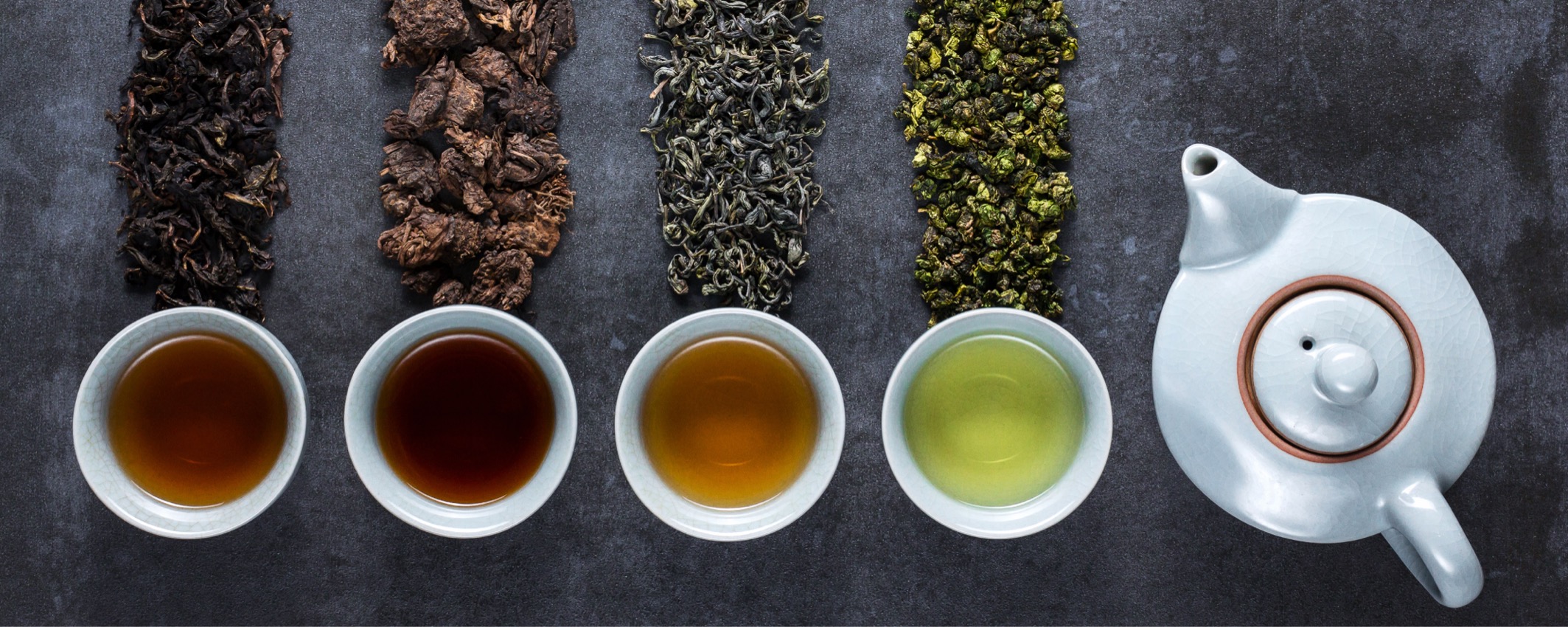
This course offers an in-depth exploration of the multifaceted world of Chinese tea, encompassing its rich history, culture, art, science, philosophy, and economics over 4,000 years. Students will investigate the entire process of tea production, from cultivation to brewing and tasting, gaining insight into how it embodies tea art, ceremony, and Chinese philosophy. The course also examines the global impact and influence of Chinese tea culture. Key topics include the historical significance of tea, its botanical and chemical properties, health benefits, cultural practices, and economic implications will be explored. This course will also highlight the critical economic role of tea, with China being the largest producer and exporter, while also incorporating a comparative view to other drinks to highlight the similarities and differences with tea, both in China and globally. Through a combination of lectures, tutorials, local and overseas field trips, and hands-on workshops, students will experience traditional Chinese tea ceremonies and the underlying philosophy, enriching their understanding of Chinese tea from various perspectives.
This course offers a holistic and forward-looking vision of health, where cultural traditions such as Chinese tea are thoughtfully interwoven with scientific insights into healing, wellness, and the broader human experience beyond conventional clinical boundaries.
[Several optional local and potential overseas field trips will be organized during Reading Week, weekends and on public holidays. Students can choose any they wish to join and use their chosen field trip to complete their field trip report.]
Course Learning Outcomes
On completing the course, students will be able to:
- Explain the Botany and Chemistry of Tea; the traditional tea producing techniques.
- Demonstrate that holistic view to look at Chinese Tea in the aspects of Science, Art, History, Cultural, Philosophy, and Economy.
- Understand the Economic and Global Influence of Chinese Tea.
- Evaluate the Health Benefits and Medicinal Properties of Tea.
- Understand the Cultural and Historical Significance of Chinese Tea.
Offer Semester and Day of Teaching
First semester (Wed)
Study Load
| Activities | Number of hours |
| Lectures | 24 |
| Tutorials | 8 |
| Fieldwork / Visits | 16 |
| Reading / Self-study | 30 |
| Assessment: Essay / Report writing | 30 |
| Assessment: Presentation (incl preparation) | 24 |
| Total: | 132 |
Assessment: 100% coursework
| Assessment Tasks | Weighting |
| Lecture and tutorial participation | 20 |
| Field Trip Reflection | 20 |
| Podcast | 30 |
| Group presentation of research poster | 30 |
Required Reading
- Hara, Y. (Ed.). (2017). Health Benefits of Green Tea: An Evidence-Based Approach (1st ed.). Oxford, England; CAB International. [HKULibrary E-Book]
- Hinsch, B. (2016). The Rise of Tea Culture in China: The Invention of the Individual. Lanham, Maryland: Rowman & Littlefield. [HKULibrary E-Book]
- Liu, A. B. (2020). Tea War: A History of Capitalism in China and India. New Haven: Yale University Press. [HKULibrary E-Book]
- Liu, T., & Yue, L. (2010). Chinese Tea a Cultural History and Drinking Guide (2nd ed.). Beijing: China Intercontinental Press. [HKULibrary E-Book]
- Rappaport, E. D. (2017). Thirst for Empire. Princeton, NJ: Princeton University Press. [HKULibrary E-Book]
- Samanta, T., Cheeni, V., Das, S., Roy, A.B., Ghosh, B.C. and Mitra, A. (2013). Assessing biochemical changes during standardization of fermentation time and temperature for manufacturing quality black tea. Journal of Food Science and Technology, 52(4), 2387–2393. From https://doi.org/10.1007/s13197-013-1230-5
- UNESCO Intangible Cultural Heritage. Traditional tea processing techniques and associated social practices in China. From https://ich.unesco.org/en/RL/traditional-tea-processing-techniques-and-associated-social-practices-in-china-01884
- Zong, X. -F., & Liscum, G. (1996). Chinese Medicinal Teas Simple, Proven, Folk Formulas for Common Diseases & Promoting Health (1st ed.). Boulder, Colo: Blue Poppy Press. [HKULibrary E-Book]
Course Co-ordinator and Teacher(s)
| Course Co-ordinator | Contact |
| Dr G.W.K. Ko Department of Orthopaedics and Traumatology, LKS Faculty of Medicine |
Tel: 3917 0310 Email: gingerko@hku.hk |
| Teacher(s) | Contact |
| Dr G.W.K. Ko Department of Orthopaedics and Traumatology, LKS Faculty of Medicine |
Tel: 3917 0310 Email: gingerko@hku.hk |