

 |
CCST9033 Scientific and Technological Literacy
|


Course Description
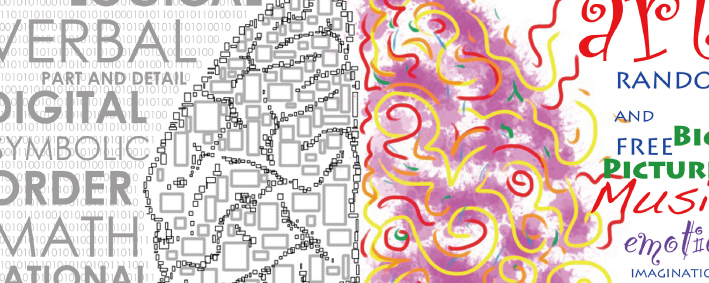
The human brain, composed of approximately 100 billion neurons interconnected by trillions of synapses, is the foundation of our consciousness, memories, abilities, creativity, and dreams. This course explores how the brain governs key processes that define us as human—such as language, memory, musical talent, learning, and emotion—with a special focus on the intriguing question of whether the two cerebral hemispheres, commonly referred to as the “left brain” and the “right brain,” function differently. Through each topic, we will examine how these abilities are represented in the brain across individuals, as well as explore differences observed between experts and novices. For example, comparing musical processing in skilled violinists versus beginners. We will also delve into compelling case studies of individuals who have experienced brain damage and subsequently lost certain aspects of their conscious experience. Our goal is to critically assess the science behind popular claims of hemispheric specialization, including ideas such as “right brain creative person,” separating myth from evidence-based understanding.
Course Learning Outcomes
On completing the course, students will be able to:
- Describe and explain, in clear and accessible terms, the fundamental principles governing neural function and hemispheric specialization in the human brain.
- Critically assess the brain’s organizational basis for various human abilities, such as vision, language, and creativity.
- Collaborate effectively with peers to develop and present a well-reasoned term project that explores the relationship between cerebral laterality and various aspects of human cognition and behavior.
- Demonstrate a solid understanding of how the scientific method can be applied to analyze and evaluate complex, nuanced problems.
Offer Semester and Day of Teaching
Second semester (Wed)
Study Load
| Activities | Number of hours |
| Lectures | 24 |
| Tutorials | 12 |
| Reading / Self-study | 24 |
| Assessment: Individual assignment | 24 |
| Assessment: Reflection writing | 16 |
| Assessment: Case analysis | 24 |
| Total: | 124 |
Assessment: 100% coursework
| Assessment Tasks | Weighting |
| Reflection paper | 20 |
| Written case analysis | 20 |
| Individual projects | 30 |
| In-class test | 30 |
Required Reading
- Gazzaniga, M. S., Ivry, R. B., & Mangun, G. R. (2019). Hemispheric Specialization. Cognitive Neuroscience: The Biology of the Mind (5th ed.) New York: W.W. Norton & Company. [pp.120-159]
Selected news and journal articles.
Course Co-ordinator and Teacher(s)
| Course Co-ordinator | Contact |
| Professor C.M. Huang Department of Psychology, Faculty of Social Sciences |
Tel: 3917 4151 Email: cmhuang@hku.hk |
| Teacher(s) | Contact |
| Professor C.M. Huang Department of Psychology, Faculty of Social Sciences |
Tel: 3917 4151 Email: cmhuang@hku.hk |