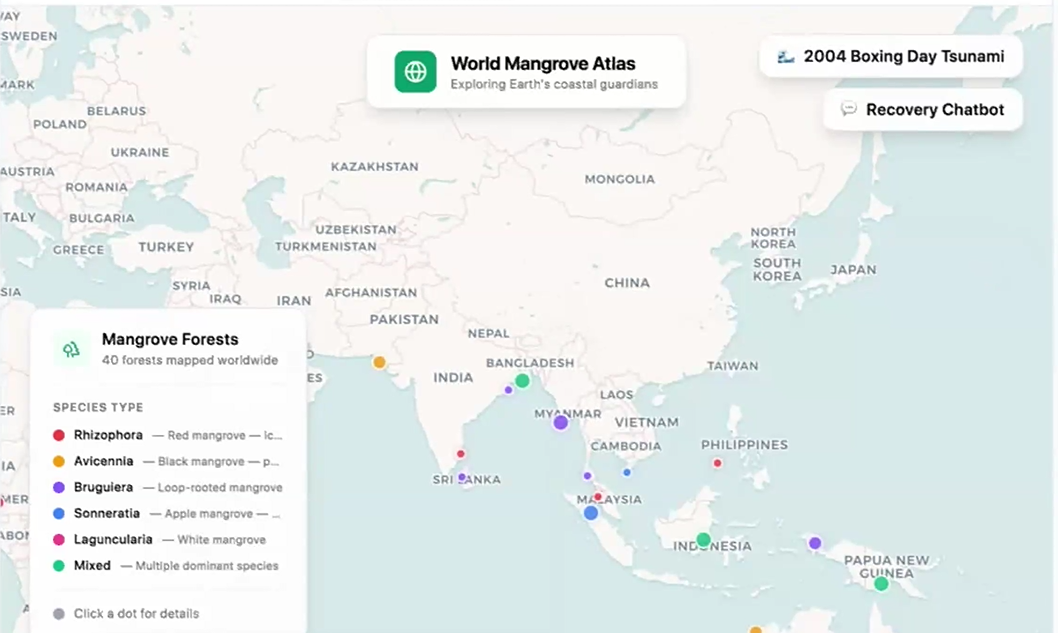
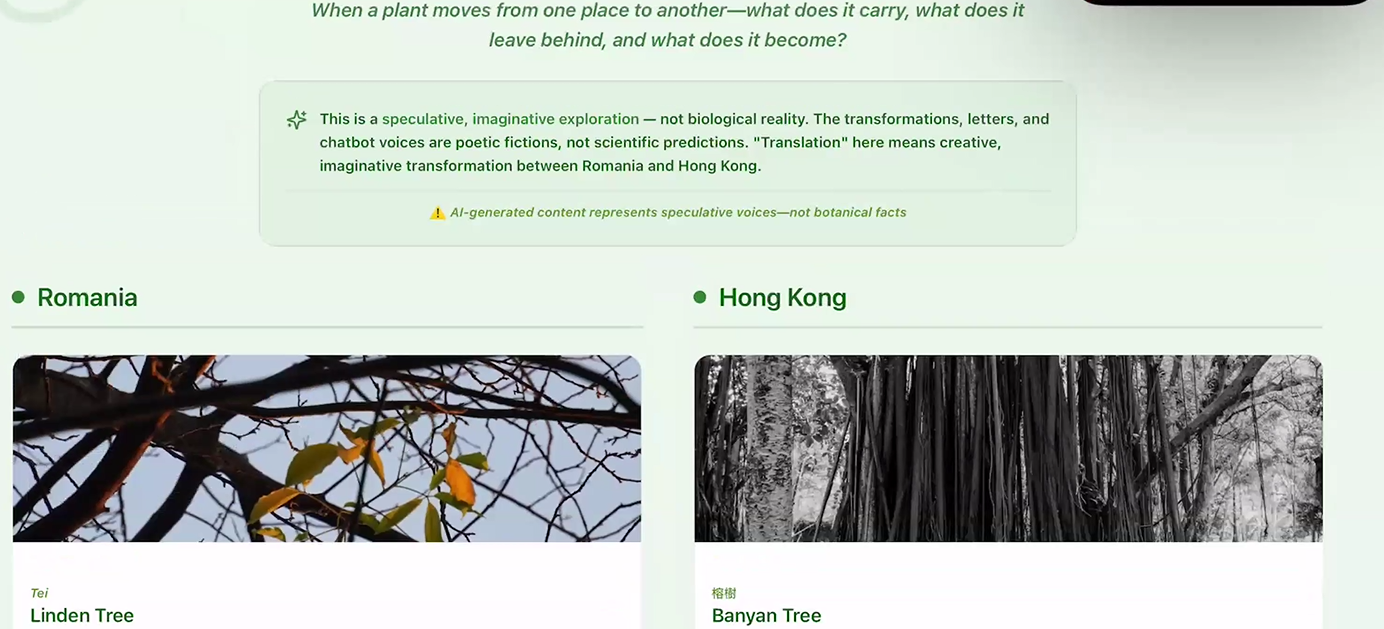
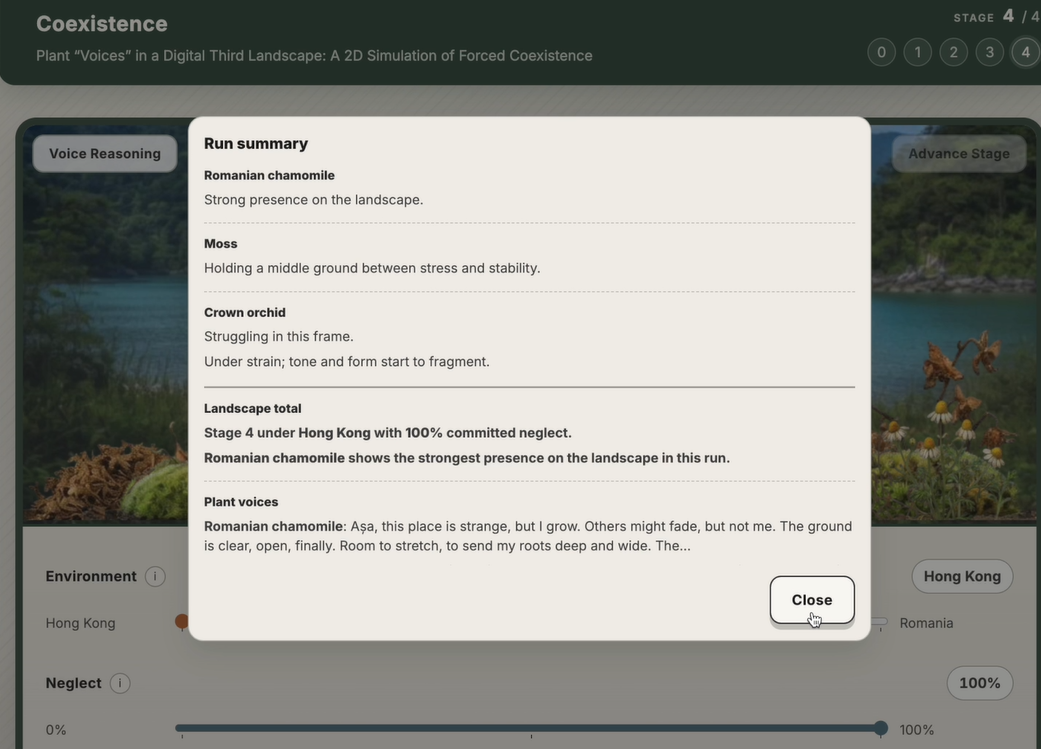
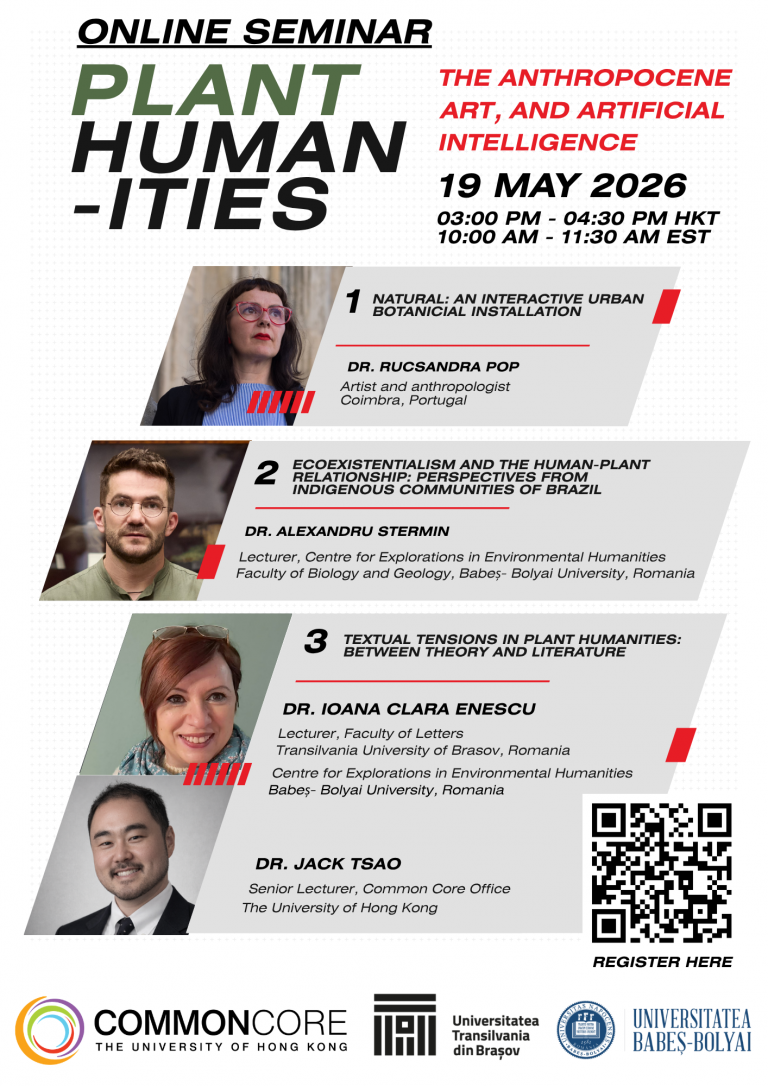
This experimental research project explored plant humanities through artificial intelligence and literary texts. Bringing together Romanian philology students from Transilvania University of Brașov and multidisciplinary students from The University of Hong Kong, it invited participants to design speculative multimedia and textual works examining plants as agentic, culturally embedded, and temporally complex beings. The project sat at the intersection of post-humanism, digital plant humanities, computational linguistics, and comparative literature.
Over five weeks (March–April 2026), nine mixed teams engaged Chinese texts (e.g., Shi Jing, Li Sao, Zhuangzi, Dream of the Red Chamber) and Romanian literary and folk traditions (e.g., Miorița, Eminescu’s linden poetry, Blaga). Using generative AI as an interpretive and creative tool, they translated research questions into artistic prototypes, including interactive zines, plant-voicing chatbots, AI-mediated letters between trees, simulations, sculptural experiments, and data-driven installations.
Across projects, students encountered recurring AI limitations: the saturation of inherited symbolism (e.g., the orchid repeatedly rendered as a virtue emblem), the erasure or aesthetic softening of ecological damage, and the flattening of asymmetries between literary traditions. Rather than accessing a “pure” plant subject, they observed how AI reproduced dominant cultural conventions—an insight that became central to the learning outcomes.
Students worked in cross-institutional teams to develop a research question, translate it into an artistic concept, build a prototype, and present their work with a short report. Structured workshops and formative feedback encouraged critical engagement with AI as a culturally shaped system. Participants gained experience in speculative and artistic research, with reflections highlighting the value of cross-cultural collaboration, materialising theory into artefacts, and using AI’s failures as productive sites of inquiry.
Selected Digital Prototypes (created by students)